 By Admin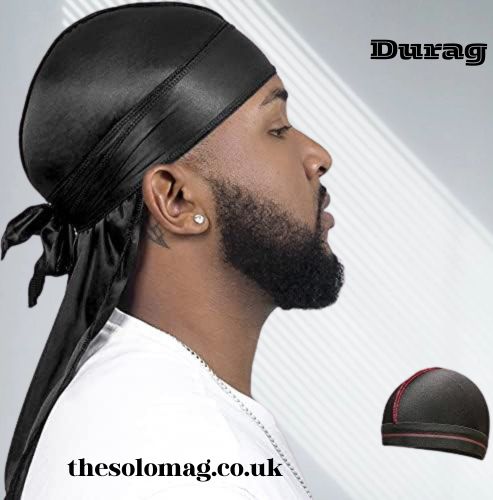
Durags (often written durag) are more than just a piece of fabric—today they sit at the intersection of hair care, culture, and identity. Whether you wear one for waves, braids, loc maintenance, edges protection, or simply to keep hair neat, a durag can be a daily essential. This guide covers the history of durags, how they fit into modern lifestyle, the most popular types (including silk durag and durag cap), and a step-by-step approach to how to put on a durag and how to tie a durag (including common variations and FAQs).
What Is a Durag?
A durag is a head-covering garment worn to help protect and maintain hair. Traditionally, it’s used to:
- reduce friction and frizz
- help maintain wave patterns
- keep hair from drying out
- protect styles like twists, braids, and locs
- support edges and overall hair health
Most durags have a front panel that lays over the hair, plus ties or a wrap system to secure it snugly on the head.
History of Durags
1) Origins and early use
Durags have roots in headwear used for hair management and protection—wearing cloth to cover and protect hair is an age-old practice across many cultures. Over time, the modern durag evolved into a purpose-built garment designed for tighter coverage and better “set” for hair patterns.
2) Waves, music culture, and popularization
Durags became widely recognized in association with wave culture and later spread through hip-hop and mainstream streetwear. The growth of rap music and Black cultural expression in the late 20th century helped durags become a visible symbol—both practical and cultural.
3) From necessity to fashion
In recent decades, durags have shifted from being purely functional to also being treated as fashion accessories. Today you’ll see them in hair-care routines, in studio culture, and on runways—often styled with matching outfits.
Durags in Current Lifestyle (Why People Wear Them Now)
Modern durag use isn’t one-size-fits-all. People wear durags for different reasons, including:
- Daily hair protection: keeping hair smooth while preventing friction
- Sleep routine: reducing dryness and preserving styles overnight
- Wave maintenance: supporting consistent wave formation
- Style preservation: helping braids, twists, and locs maintain neatness
- Confidence + identity: a cultural staple that also looks good
Many people also treat durags like a routine item—paired with a spray bottle, moisturizer, and brush/comb routine.
Types of Durags (Popular Variations)
Here are common variations people search for and use:
1) Durags (general term)
“Durags” usually refers to the broader category of head coverings used for hair care and waves.
2) Durag cap
A durag cap is a style that focuses on cap-like coverage (sometimes with a more structured fit). People like these when they want:
- a tighter, cleaner fit
- less slipping compared to some loose styles
- an easier “set” for certain routines
3) Silk durag
A silk durag (or satin-style similar materials) is popular because it tends to:
- feel smooth against hair
- reduce frizz
- help maintain moisture and reduce breakage
(If you’re choosing between comfort and wave support, silk/satin is often preferred for sleek styling and friction reduction.)
How to Put On a Durag (Quick Setup)
If you’re asking, “how to put on a durag”, the goal is always the same: lay it flat, cover the hair evenly, and secure it snugly without causing pain.
Basic steps:
- Start with dry hair or properly prepared hair (depending on your routine).
- Place the durag at the front hairline.
- Smooth the fabric so it lies flat across the head.
- Pull the ties around the back.
- Secure according to the tie method you prefer.
How to Tie a Durag (Step-by-Step)
Because you asked multiple variations, here are clear methods. You can pick the one that feels best for comfort and hold.
A: Classic tie (most common)
- Put on the durag and pull the ties toward the back of your head.
- Cross the ties behind your head.
- Bring them to the front and tie a firm knot or secure them at the center back.
- Adjust so the durag is snug but not tight enough to cause headaches.
B: “Crisscross + pull tight” (for a stronger set)
- Put the durag on and pull both ties to the back.
- Crisscross them once behind your head.
- Pull upward slightly to keep fabric smooth.
- Tie securely with a knot or wrap-and-secure method.
C: Minimal bulk (for comfort at night)
- Place durag correctly at the front.
- Tie the ends with a flatter knot.
- Tuck any extra fabric so it doesn’t irritate your forehead while sleeping.
How to Tie a Durag in (Very Common Search Variations)
You also wrote: “how to tie durag in it,” which reads like a search variation meaning “how to tie a durag” (and possibly how to secure it firmly). Here’s a practical “in-it” style answer:
- Smooth the top fabric first
- Secure the back ties firmly
- Don’t over-tighten (tight for control, but not to the point of discomfort)
- Check edges coverage (front should lay flat)
If you want, tell me your hair type (wavy/curly/straight/locs/braids) and I can tailor the tie tightness and placement.
How to Tie a Durag Blanket (Common Confusion Clarified)
“How to tie a durag blanket” is usually a confused search term for one of these:
- a durag-style cover blanket (less common), or
- a method of wrapping fabric like a head scarf using durag ties, or
- a “blanket” meaning “wrap” (durag wrap routine).
If you mean the wrap method (not a literal blanket), use this:
- Cover your hair with the fabric panel (like a durag).
- Smooth it tightly across the top.
- Use the ties (or fabric ends) to secure at the back.
- Finish by tightening gently and smoothing the edges.
If you truly mean a specific product labeled “durag blanket,” share the brand or a photo description and I’ll give exact instructions.
Best Practices (To Avoid Common Mistakes)
- Make sure the durag covers evenly (front hairline and sides matter).
- Avoid too much tightness—tight enough to hold the fabric flat, not tight enough to cause throbbing pain.
- Use the right material:
- silk/satin for smoothness and friction reduction
- cotton or other fabrics for durability and breathability
- Clean it regularly to keep scalp healthy and reduce buildup.
FAQs
Q:1 What is a durag used for?
A durag is used to protect hair, reduce friction, help maintain styles, and support wave routines.
Q:2 How to tie it (quick answer)?
Place it over your hair, smooth it flat, pull ties to the back, cross and tie securely, then adjust until it feels snug.
Q:3 How to put on a durag correctly?
Align the front panel with your hairline, cover evenly, smooth fabric, then secure ties behind your head.
Q:4 Are silk durags better than other types?
Silk durags (or satin-like) often reduce frizz and feel smoother against hair, which many people prefer for moisture and friction control.
Q:5 Do it help with waves?
Many people use durags to help set wave patterns by keeping hair compressed and protected during routines.
Q:6 Can I wear it to sleep?
Yes—many people wear durags at night to protect hair, reduce friction, and help preserve hairstyles.
Q:7 How tight should it be?
Snug enough to stay in place and keep the fabric smooth. It should not cause pain, numbness, or headaches.
Q:8 How often should I wash my durag?
Wash regularly (especially if you use oils/creams). A practical rule is at least weekly for frequent users.
Q:9 Can durags damage hair if worn too long?
If worn too tightly or too long with irritation, it can stress hairline/edges. Comfort and fit are key.
Q:10 Are durags only for men?
No. Durags are worn by many people of all genders as a hair-care tool.
Conclusion
Durags have evolved from practical hair protection into a modern staple of culture and style. Their history is closely tied to hair maintenance, identity, and community visibility—while today they’re used for everything from wave care to protecting braids, locs, and edges. If you choose the right material (like a silk durag) and learn how to tie a durag comfortably, you’ll get better coverage, less friction, and a more consistent routine.
FOR FURTHER INFORMATION, VISIT: THESOLOMAG