 By Admin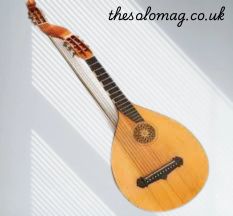
Have you ever watched a movie set in the Elizabethan era and felt instantly transported by that soft, pear-shaped stringed sound? That is the voice of the lute instrument. It is not just a relic in a museum. Musicians, historians, and even modern therapists are rediscovering its intimate tone.
In this guide, we will explore everything you need to know. From understanding what is a lute instrument to finding a lute instrument for sale, consider this your backstage pass to one of history’s most elegant creations. Whether you are a classical guitarist curious about its ancestor or a small business owner looking for a unique hobby, the lute has a surprising place in 2026.
Table of Contents
ToggleWhat Is a Lute Instrument? (Clearing Up the Confusion)
Let us start with the basics. What is a lute instrument exactly? Simply put, it is a plucked stringed instrument with a deep, rounded back—like half a pear—and a fretted neck. But unlike a modern guitar, its neck is often bent back at a sharp angle.
Many people ask: Is a lute a stringed instrument? Yes, absolutely. It is the quintessential stringed instrument of the Renaissance and Baroque periods. However, confusion arises. Is a lute a percussion instrument? No. You do not strike it. Is a lute a woodwind instrument? Definitely not. It has no reeds or air columns. The lute produces sound solely through vibrating strings, typically made of gut or nylon.
The Rich History of the Lute Instrument Renaissance Era
When we talk about the lute instrument renaissance, we enter a golden age. Between 1500 and 1650, the lute was king. Every court in Europe had a lutenist. It was the piano of its day—used for dancing, poetry, and even medical therapy (they believed it calmed the “humors”).
Imagine a freelancer in 16th-century Venice finishing a long day of accounting. To unwind, they did not scroll on a phone. Instead, they picked up a lute musical instrument to play a fantasia. Today, a small business owner might use a lute practice session to detox from screens. The instrument forces you to slow down, listen, and breathe.
Key Features of the Renaissance Lute
-
Number of strings: Usually 6 to 10 courses (pairs of strings).
-
Tuning: Similar to a modern guitar but with intervals adjusted for modal music.
-
Sound: Delicate, quick to decay, and highly intimate.
-
Playing technique: Plucked with fingertips, not with a plectrum.
Is the Lute Harder to Play Than a Guitar?
This is the number one question for beginners. If you already play guitar, you have a head start. But be prepared. A lute instrument requires a different right-hand technique. Guitarists tend to rest their pinky on the soundboard. Lutenists float their hand freely.
Here is a real-life example: Sarah, a freelance graphic designer, bought a lute instrument for sale online last year. She expected to play like a guitarist. She struggled for two weeks with hand cramps. Then she took three online lessons. Now she says the lute feels more natural because the light string tension is easier on her wrists.
Pros of learning the lute:
-
Low string tension (gentle on fingers).
-
Smaller neck width (good for smaller hands).
-
Rich historical repertoire (Dowland, Weiss, Bach).
Cons of learning the lute:
-
Tuning takes longer (many strings).
-
Tablature notation is different from standard music notes.
-
Finding teachers is harder than guitar.
Lute Instrument for Sale: What to Look For in 2026
Are you ready to buy? The market for a lute instrument for sale has grown thanks to early music revivals. But do not just grab the cheapest option. You have three main choices:
1. Entry-Level Student Lutes ($500 – $1,200)
These are often made in Asia or Eastern Europe. They use laminate backs and nylon strings. Great for beginners. Expect plain rosettes (the carved soundhole decoration).
2. Mid-Range Workshop Lutes ($1,500 – $4,000)
Made by small luthiers. Solid wood backs. Better tuning pegs (friction pegs that actually hold). Ideal for serious amateurs.
3. Professional Concert Lutes ($5,000 – $15,000+)
Hand-carved, often with ornate rosewood or yew wood backs. Used by early music ensembles. Not necessary for hobbyists.
Modern Uses of the Lute Musical Instrument
You might think the lute musical instrument is only for Renaissance fairs. Not true. In 2026, lutes appear in:
-
Film scores (medieval fantasy dramas).
-
Folk fusion bands (lute + electronic loops).
-
Music therapy (the soft decay helps anxious patients).
-
YouTube ASMR channels (the pluck is incredibly calming).
One of my students is a yoga instructor. She uses a 7-course lute during savasana. “It’s less jarring than a guitar,” she says. “The sound fades like a breath out.”
How to Care for Your Lute (Maintenance Tips)
A lute instrument is more fragile than a guitar. The thin wooden ribs on the back can crack in dry air. Here is a quick checklist:
-
Humidity: Keep between 45% and 55%. Use a soundhole humidifier.
-
Strings: Change every 3–4 months. Gut strings wear faster than nylon.
-
Cleaning: Wipe strings after each play. Oils corrode gut quickly.
-
Storage: Never lean a lute against a wall. The neck can snap.
Is a Lute a Stringed Instrument That Fits Modern Life?
Absolutely. Let me paint a picture. Mark, a plumber and father of two, bought a second-hand lute last year. He plays for 15 minutes every morning before his kids wake up. “It’s my meditation,” he says. “I cannot multitask with a lute. That is the point.”
Unlike scrolling through Instagram or watching Netflix, playing a lute instrument forces you into single-tasking. That is rare in 2026. It is a form of active rest for your brain.
Common Misconceptions (Debunked)
Let us clear up the remaining questions about a lute instrument.
-
Myth: Lutes are out of tune constantly.
Truth: Modern friction pegs are better. With proper winding, they hold well. -
Myth: You must read ancient notation.
Truth: Many modern lutenists use tablature or even guitar tabs. -
Myth: Lutes are only for classical music.
Truth: People play blues, folk, and even pop covers on lute. (Yes, there is a lute cover of “Hallelujah” on YouTube.)
Lute vs. Guitar: A Quick Comparison Table
| Feature | Lute | Classical Guitar |
|---|---|---|
| Back shape | Rounded (ribbed) | Flat |
| Neck angle | Bent back | Straight |
| String tension | Low | Medium to high |
| Sustain | Short | Long |
| Typical music | Renaissance/Baroque | Romantic/Modern |
| Learning curve | Steeper initially | Gentler |
FAQs About the Lute Instrument
Q:1 What is a lute instrument made of?
Most lutes have a spruce or cedar soundboard, a bowl-shaped back of multiple ribs (rosewood, yew, or maple), and a neck of ebony or maple.
Q:2 Is a lute a stringed instrument or a percussion instrument?
It is purely a stringed instrument. It is never a percussion or woodwind instrument.
Q:3 How many strings does a lute have?
It varies. Renaissance lutes have 6 to 10 courses (12 to 20 strings). Baroque lutes can have 11 to 13 courses.
Q:4 Can I teach myself the lute instrument?
Yes, but expect a slower start. Use YouTube tutorials and lute tablature apps. A few lessons with a teacher help avoid bad hand habits.
Q:5 What is the average price of a lute instrument for sale?
A decent student lute starts around $600. Professional lutes exceed $10,000.
Q:6 Is the lute instrument renaissance era music still performed?
Absolutely. Groups like the Academy of Ancient Music and soloists like Paul O’Dette perform regularly worldwide.
Q:7 What is the difference between a lute and an oud?
The oud has no frets and a smaller neck. The lute has frets (tied gut) and a bent-back pegbox.
Q:8 Is a lute good for small hands?
Yes. The neck is narrower than a classical guitar. Many women and children find lutes more comfortable.
Q:9 Do lutes plug into amplifiers?
Rarely. Most are acoustic. However, some modern luthiers install piezo pickups for stage use.
Q:10 How long does it take to learn a basic song on the lute?
With daily 20-minute practice, a simple Renaissance dance tune takes about 3–4 weeks.
Q:11 What is a lute instrument called in other languages?
- In German: Laute
- French: Luth
- Italian: Liuto
- Spanish: Laúd
Q:12 Can left-handed people play a lute?
Yes, but you would need to reverse the string order or restring a standard lute. Custom left-handed lutes exist but cost more.
Q:13 Is a lute a stringed instrument that holds value over time?
Yes, especially if made by a known luthier. Vintage lutes from the 1970s revival sell for 2–3x their original price.
Pros and Cons of Owning a Lute Instrument
Pros
-
Unique, intimate sound unlike any guitar.
-
Light string tension – easy on joints.
-
Rich historical and cultural heritage.
-
Conversation starter (everyone asks about it).
-
Portable and lightweight compared to a piano or harp.
-
Teaches patience and active listening.
Cons
-
Fragile construction (cracks easily in dry climates).
-
Difficult to find local teachers.
-
Tuning takes longer (many strings).
-
Tablature reading is a new skill for modern musicians.
-
Limited modern repertoire (unless you arrange your own).
-
Harder to amplify without feedback.
Conclusion
We live in a noisy world. Notifications, traffic, and endless alerts fill our ears. The lute instrument offers the opposite. It whispers. It asks you to lean in.
Whether you are a history buff, a guitarist looking for new colors, or just someone who wants a screen-free hobby, the lute delivers. Start by listening to John Dowland’s Lachrimae. Then search for a lute instrument for sale in your area. You do not need a $10,000 masterpiece. A humble student lute can bring centuries of peace into your living room.
Remember: A lute instrument is not just a relic. It is a companion. And in 2026, we could all use a quieter friend.
FOR FURTHER INFORMATION, VISIT: THESOLOMAG