 By Admin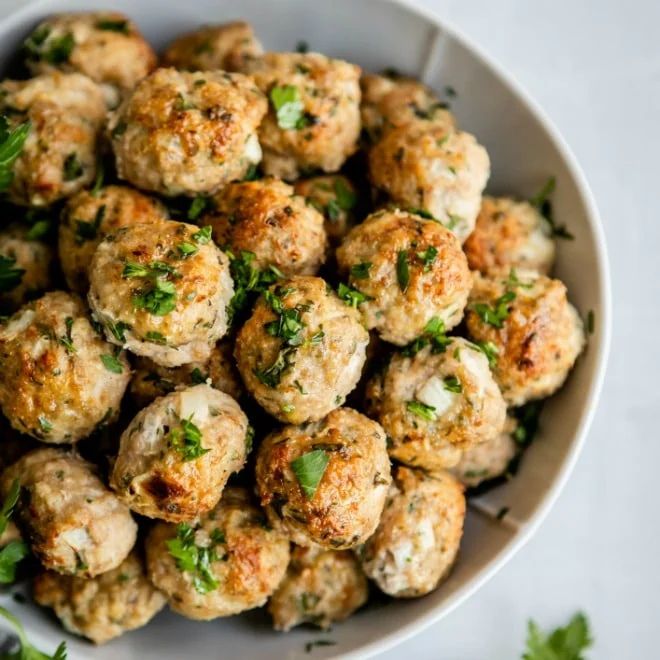
Turkey meatballs often get a reputation for being dry or bland, but that reputation is undeserved. When made correctly, they can be tender, moist, and packed with savory flavor. Many home cooks turn to turkey as a leaner alternative to beef or pork, yet they struggle with texture and taste. The secret lies in choosing the right ingredients, handling the meat gently, and cooking it properly. Whether you are meal prepping for the week or serving a family dinner, mastering turkey meatballs opens the door to countless healthy and satisfying meals. This guide walks you through every step, from binding agents to baking methods, so you can enjoy perfect turkey meatballs every time.
Why Choose Turkey Meatballs Over Traditional Options
Turkey meatballs offer a lighter nutritional profile without sacrificing the comfort food experience. Ground turkey, especially lean breast meat, contains less saturated fat and fewer calories than ground beef or pork. This makes it an excellent choice for those monitoring heart health or managing weight. However, dark meat turkey or a blend of breast and thigh meat provides more moisture and flavor. You can also find ground turkey that includes skin for added richness. Beyond nutrition, turkey has a mild flavor that absorbs herbs, spices, and aromatics beautifully. This versatility allows you to adapt turkey meatballs to Mediterranean, Asian, or classic Italian dishes while keeping your meal nutritious and delicious.
Selecting the Best Ground Turkey for Meatballs
Not all ground turkey packages are the same, and your choice directly affects the final result. Look for ground turkey labeled 93/7 or 85/15, meaning 93 percent lean and 7 percent fat, or 85 percent lean and 15 percent fat. The higher fat content ensures moisture and tenderness. Avoid 99 percent fat-free ground turkey, which almost always leads to dry, crumbly meatballs. If you only have lean turkey available, add a tablespoon of olive oil or grated butter to the mixture. Some stores sell ground turkey thigh, which is ideal for juiciness. Always check the sell-by date and smell the meat before buying; fresh turkey should have no sour or off odors.
The Role of Binders in Turkey Meatballs
Binders are essential for turkey meatballs because ground turkey lacks the natural fat and connective tissue that helps beef or pork hold together. Breadcrumbs, panko, or crushed crackers absorb moisture and expand, creating a soft texture. For gluten-free options, use almond flour, crushed pork rinds, or gluten-free breadcrumbs. Another effective binder is rolled oats, ground finely in a food processor. Eggs also act as a binder by coagulating during cooking. A standard ratio is one egg and half a cup of breadcrumbs per pound of turkey. Too much binder makes meatballs dense, while too little causes them to fall apart. Mix gently to avoid overworking the proteins.
Flavor Boosters That Transform Lean Turkey
Lean turkey needs help in the flavor department, and the right seasonings make all the difference. Start with salt and freshly ground black pepper as your base. Then add minced garlic, grated onion, or shallots for aromatic depth. Dried herbs like oregano, thyme, rosemary, and sage work beautifully. For heat, include red pepper flakes or a pinch of cayenne. Fresh parsley, basil, or cilantro add brightness. Worcestershire sauce, soy sauce, or fish sauce provides umami. Grated Parmesan or Pecorino Romano cheese adds saltiness and richness. A small amount of Dijon mustard or tomato paste can also deepen the flavor profile. Taste a small cooked test patty before shaping all your turkey meatballs to adjust seasoning.
Wet Ingredients for Moisture Retention
Moisture is the biggest challenge when cooking turkey meatballs, but wet ingredients solve this problem effectively. Grated zucchini or carrot releases liquid during cooking, keeping the interior tender. Milk or buttermilk soaked into breadcrumbs creates a panade, which locks in moisture. Greek yogurt or ricotta cheese adds creaminess and a slight tang. Some cooks use applesauce or pureed pumpkin for a sweet counterpoint in certain recipes. Even a few tablespoons of broth or water mixed into the meat helps. The key is not to make the mixture too wet, or the meatballs will steam rather than sear. Aim for a sticky but moldable consistency that holds its shape when rolled.
Pan Searing Versus Baking Turkey Meatballs
Two primary methods exist for cooking turkey meatballs: pan searing and baking, each with distinct advantages. Pan searing in a hot skillet with oil creates a deep brown crust, which adds complex flavor through the Maillard reaction. This method takes about 8 to 10 minutes, with frequent turning. However, turkey meatballs are delicate, and they can break if handled too roughly. Baking on a parchment-lined sheet pan at 400 degrees Fahrenheit is more hands-off and yields evenly cooked meatballs with less risk of burning. Bake for 15 to 18 minutes, flipping halfway. For the best of both worlds, sear first for two minutes per side, then finish in the oven.
How to Prevent Crumbly Turkey Meatballs
Crumbly turkey meatballs frustrate even experienced cooks, but the solution involves a few simple techniques. First, avoid overmixing the meat mixture. Stir just until the ingredients are combined; overworking compresses the proteins and causes crumbling. Second, chill the formed meatballs for 20 minutes before cooking. This resting period allows the fats to solidify and the binders to set. Third, handle the raw meatballs gently when placing them in a pan or on a sheet tray. Fourth, do not crowd the pan; leave space between each meatball so they cook evenly. Fifth, resist the urge to flip them repeatedly. Finally, ensure you used enough binder and moisture. A well-balanced recipe naturally prevents crumbling.
Sauce Pairings for Turkey Meatballs
Turkey meatballs pair wonderfully with a range of sauces, from classic tomato to creamy and spicy options. For Italian-style meatballs, simmer them in marinara or arrabbiata sauce for 10 minutes after browning. Swedish meatball lovers can use a gravy made from beef broth, cream, and a touch of soy sauce. For a lighter meal, serve turkey meatballs with lemon-dill yogurt sauce or tzatziki. Asian-inspired versions work well with teriyaki, sweet chili, or peanut sauce. You can also toss them in buffalo sauce for a game-day appetizer. Avoid boiling the meatballs directly in sauce for too long, as this can wash away seasoning. Instead, warm them gently in the sauce just before serving.
Freezing and Meal Prep With Turkey Meatballs
Turkey meatballs are ideal for meal prep because they freeze beautifully both raw and cooked. To freeze raw, arrange uncooked meatballs on a baking sheet lined with wax paper and freeze until solid, about two hours. Transfer to a freezer bag, removing as much air as possible. Cooked turkey meatballs can be cooled completely, then frozen in a single layer before bagging. They last up to three months. To reheat, bake frozen cooked meatballs at 375 degrees Fahrenheit for 10 to 12 minutes or simmer in sauce for 15 minutes. Never thaw raw meatballs at room temperature; instead, defrost in the refrigerator overnight. This planning saves time and reduces waste.
Healthier Serving Ideas Without Sacrificing Taste
You can enjoy turkey meatballs in many healthy ways beyond spaghetti and meatballs. Serve them over spiralized zucchini noodles with pesto for a low-carb meal. Tuck them into a whole-grain pita with lettuce, tomato, and tahini sauce. Add them to vegetable soup or minestrone for extra protein. Make a meatball bowl with quinoa, roasted broccoli, and a drizzle of balsamic glaze. For breakfast, pair leftover meatballs with scrambled eggs and avocado slices. They also work well as a pizza topping or chopped into a salad. Because turkey is lean, these dishes stay satisfying without feeling heavy. Portion control becomes easier when you already have pre-cooked meatballs ready.
Common Mistakes When Cooking Turkey Meatballs
Even careful cooks make mistakes with meatballs, but awareness helps you avoid them. The most common error is using extra-lean ground turkey, which guarantees dryness. Another mistake is skipping the browning step, which sacrifices flavor. Overmixing the meat leads to a tough, rubbery texture. Not using enough salt makes the meatballs taste flat because turkey needs adequate seasoning. Cooking at too low a temperature fails to develop a crust, while too high burns the outside before the inside cooks. Adding too many mix-ins like vegetables or cheese can prevent the meatballs from holding together. Finally, skipping the rest time before cooking often results in crumbling. Each of these pitfalls has a simple fix.
FAQs
Q:1 Can I use ground turkey breast for meatballs?
Yes, but you must add fat like olive oil or an extra egg yolk to prevent dryness.
Q:2 Why are my turkey meatballs falling apart in the sauce?
Your mixture likely lacked enough binder, or you did not chill the meatballs before cooking.
Q:3 How do I make gluten-free turkey meatballs?
Substitute breadcrumbs with almond flour, crushed pork rinds, or gluten-free panko.
Q:4 What is the best internal temperature for turkey meatballs?
Cook until an instant-read thermometer reads 165 degrees Fahrenheit at the center.
Q:5 Can I cook turkey meatballs in an air fryer?
Yes, at 375 degrees Fahrenheit for 8 to 10 minutes, shaking the basket halfway.
Q:6 How long do turkey meatballs last in the refrigerator?
Cooked meatballs keep for up to four days in a sealed container.
Q:7 Can I freeze raw turkey meatballs with sauce?
It is better to freeze raw meatballs separately and add sauce after thawing.
Q:8 What cheese works best in turkey meatballs?
Parmesan, Pecorino, or finely grated mozzarella add flavor without excess moisture.
Q:9 How do I make turkey meatballs spicy?
Add red pepper flakes, cayenne, or finely chopped jalapeño to the mixture.
Q:10 Can I substitute turkey for chicken in any meatball recipe?
Yes, ground turkey and ground chicken behave almost identically in recipes.
Q:11 Why are my turkey meatballs dry even with added fat?
You may have overcooked them or used too many dry ingredients like breadcrumbs.
Q:12 What is the best oil for pan-searing turkey meatballs?
Avocado or light olive oil works well because of their high smoke points.
Final Thoughts on Mastering Turkey Meatballs
Turkey meatballs deserve a permanent place in your cooking rotation once you learn the fundamentals. Choosing the right fat percentage, using adequate binders, and adding moisture-rich ingredients are the pillars of success. Whether you bake them for a quick weeknight dinner or pan-sear for deeper flavor, gentle handling and proper seasoning make all the difference. Freezing in batches turns this dish into a convenient staple for busy days. Pair them with sauces and sides that complement their mild, savory nature. With practice, you will create meatballs that rival any beef or pork version in taste and tenderness. Start with one batch, adjust based on your results, and enjoy a healthier comfort food.
FOR FURTHER INFORMATION,VISIT: THESOLOMAG