 By Admin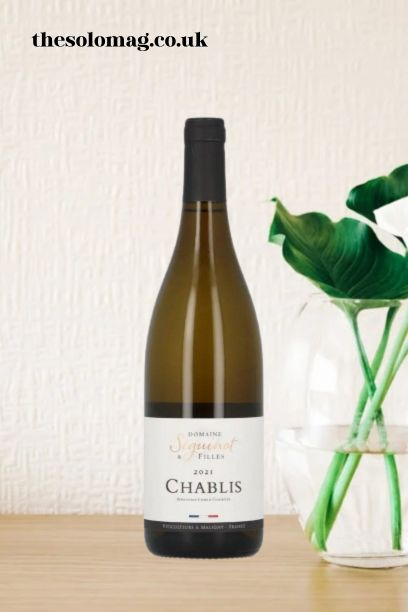
If you have ever stood in a wine shop, confused by the sea of similar-looking bottles, you are not alone. You wanted a crisp white wine that doesn’t taste like buttered popcorn. You wanted something that tastes like the ocean, not a dessert. That is exactly where Chablis wine enters the conversation.
It is the secret weapon of seafood lovers and budget-savvy sommeliers. It comes from the northernmost corner of Burgundy, France. But here is the catch: many people confuse it with cheap jug wine from the 1970s. Real it is a completely different story. By the end of this guide, you will know exactly what to look for, how to drink it, and why it might become your new go-to white wine.
What is Chablis Wine? (And What It Is Not)
Let us clear up the biggest confusion first. What is it? In France, it is a dry white wine made only from Chardonnay grapes. But do not expect the heavy, oaky flavors of Napa Valley Chardonnay. Chablis white wine is lean, steely, and often described as tasting like “liquid rocks.”
What type of wine is Chablis? It is a single-varietal Chardonnay with high acidity and low alcohol. The magic comes from the soil—a ancient seabed full of oyster fossils called Kimmeridgian clay. That is why many people say what is it? Answer: It is Chardonnay that tastes like the sea.
Chablis Wine vs Chardonnay: The Real Difference
A common Google search is chablis wine vs chardonnay. Here is the honest truth: all Chablis wine is Chardonnay, but not all Chardonnay is Chablis.
| Feature | Chablis Wine | Standard Chardonnay |
|---|---|---|
| Oak usage | Minimal to none | Often heavy oak |
| Taste profile | Lean, mineral, citrus | Buttery, vanilla, tropical |
| Acidity | High | Medium to low |
| Price for entry | $15–$25 | $10–$20 |
Think of it like coffee. Chablis white wine is a light roast Ethiopian coffee—bright and complex. Standard Chardonnay is a dark roast with cream and sugar. Both are good. But once you understand what is chablis wine, you stop expecting the buttery flavor.
Where is Chablis Wine From? The Region Matters
To answer where is chablis wine from, look at a map of France. Find Paris, then drive 90 minutes southeast. You will hit the small town of Chablis in the Yonne department. It region is closer to Champagne than to the rest of Burgundy. The cold winters and limestone soils are the secret.
Its region has four quality levels (from basic to best):
-
Petit Chablis – Best value for everyday drinking
-
Chablis – The entry-level classic (most common)
-
Chablis Premier Cru – More concentration and aging potential
-
Chablis Grand Cru – The rarest and most expensive (think $50–$150)
If you see a bottle labeled simply “Chablis,” that is a safe, delicious starting point. Where is chablis wine from matters because the soil cannot be copied anywhere else in the world.
Why Chablis Wine Works for Real Life (Not Just Fancy Dinners)
Let me give you a daily example. Imagine you are a freelancer working from home. It is Wednesday night. You’re exhausted, so you order sushi delivery. Afterward, you check the fridge and spot a bottle of Chablis—one you paid just $18 for. When you take a sip, you taste it right away. Suddenly, that grocery-store salmon tastes like a restaurant meal. That is the power of it.
Another example: You host a small dinner party. One friend drinks only Sauvignon Blanc. Another drinks only red wine. You open a Chablis wine. Both guests are happy. Why? Because what type of wine is chablis? It is neutral enough for picky drinkers but interesting enough for wine geeks.
For a small business owner who wants to look sophisticated without spending $50 per bottle, Chablis wine is the cheat code. Serve Petit Chablis at a client lunch. No one will guess it cost under $20.
How to Taste Chablis White Wine Like a Pro
Tasting it is different from tasting a California Chardonnay. Follow these three steps:
1. Look
Pour the wine into a tall, tulip-shaped glass. Chablis white wine should be pale gold with green reflections. If it looks like apple juice, it is either old or not real Chablis.
2. Smell
Close your eyes. Do not search for vanilla or coconut. Instead, look for:
-
Green apple
-
Lemon zest
-
Crushed chalk
-
Seashells (yes, really)
-
Sometimes a hint of wet stone after rain
3. Taste
Take a medium sip. Let it sit on your tongue for three seconds. Notice the sharp, mouth-watering acidity. That is the signature of what is a chablis wine. The finish should be clean, not sticky or sweet.
Pro tip: Do not drink it ice cold. Take it out of the fridge 15 minutes before serving. 48–52°F (9–11°C) is perfect. Too cold, and you lose the mineral flavors.
Food Pairing: What to Eat with Chablis Wine
Because it has high acidity and zero residual sugar, it pairs with foods that kill other whites. Here is your cheat sheet:
-
Oysters and raw shellfish – The classic pairing. The wine’s minerality mirrors the oyster’s brine.
-
Fried calamari – The acidity cuts through the oil like a knife.
-
Goat cheese – Especially fresh, log-style chèvre.
-
Sushi and sashimi – Wasabi and soy sauce? No problem.
-
Roast chicken with herbs – The wine’s subtlety does not overpower white meat.
-
Fish and chips – A surprising but perfect match.
Avoid pairing Chablis white wine with creamy pasta sauces or sweet glazed meats. The acidity will clash with cream, and the wine will taste sour next to sugar.
Understanding Its Quality Levels (With Real Prices)
Let us break down what is it at each price tier. This is where where is it from affects your wallet.
Petit Chablis ($15–$22)
-
Made from vines on Portlandian soil (less fossil-rich)
-
Lighter, fruitier, meant to drink within 1–2 years
-
Best for: Weeknight dinners, cooking, large parties
Chablis ($18–$30)
-
The true expression of the chablis wine region
-
Aged mainly in stainless steel tanks
-
Best for: Entertaining, pairing with fish, learning what type of wine is chablis
Premier Cru ($30–$60)
-
From 40 specific named vineyards (climats)
-
More body, can age 3–7 years
-
Best for: Anniversary dinners, gifts for wine lovers
Grand Cru ($60–$150+)
-
Only from one hillside (7 grand cru vineyards)
-
Aged in old oak (not new) for texture
-
Best for: Special occasions, collectors, understanding what is it at its peak
Is It Healthy? A Realistic Look
Let us be honest. No wine is a health food. But compared to other whites, Chablis white wine has advantages:
-
Lower alcohol (typically 12–12.5% ABV vs 13.5–14.5% for many Chardonnays)
-
No added sugar (it is completely dry)
-
High in natural antioxidants from the thick grape skins
If you are watching carbs or sugar, what type of wine is chablis? It is one of the safest choices. A 5-ounce glass has roughly 120 calories and less than 1 gram of sugar.
5 Common Myths About Chablis Wine (Debunked)
Myth 1: Chablis is sweet.
Fact: No. Real it is bone dry.
Myth 2: Chablis is the same as White Burgundy.
Fact: All Chablis is White Burgundy, but not all White Burgundy is Chablis. The chablis wine region is geographically separate.
Myth 3: Cheap Chablis is bad.
Fact: A $20 it often beats a $30 generic Chardonnay blindfolded.
Myth 4: You must age Chablis.
Fact: 90% of Chablis white wine is made to drink within 2–3 years of release.
Myth 5: Chablis tastes like oyster shells (gross).
Fact: The “shell” note is subtle, like the smell of ocean air, not a raw oyster.
Pros and Cons
Pros
-
Extremely food-friendly (especially seafood and poultry)
-
Lower alcohol than most white wines
-
No oak or butter flavors (great for anti-Chardonnay drinkers)
-
Excellent value at entry-level ($18–$25)
-
Ages gracefully without needing a cellar
-
Widely available at Total Wine, Whole Foods, and online
Cons
-
Can taste “thin” if you are used to rich California wines
-
Cheap versions (under $15) are often fake or blends
-
Where is it from? Only France. No domestic US options.
-
Requires chilling correctly (too warm, and it flattens)
-
Not for sweet wine lovers
-
Some people genuinely dislike high-acid wines
Frequently Asked Questions (FAQ)
Q:1 What is it made from?
100% Chardonnay grapes. No other grape varieties are allowed by French law.
Q:2 Is it dry or sweet?
Bone dry. What is it if not the driest white Burgundy? Zero residual sugar.
Q:3 What is it taste like?
Green apple, lemon, chalk, wet stone, and sometimes a hint of sea salt.
Q:4 What type of wine is chablis compared to sauvignon blanc?
Chablis is richer but less aromatic. Sauvignon Blanc is grassier and more tropical.
Q:5 Where is it from exactly?
The village of Chablis in northern Burgundy, France. About 90 minutes southeast of Paris.
Q:6 Can I cook with it?
Yes. Use Petit Chablis for creamy leek sauces, mussels, or chicken deglazing.
Q:7 Is it expensive?
Entry-level bottles run $18–$30. Grand Cru can exceed $150.
Q:8 How long does it last after opening?
3–5 days in the fridge with a stopper. It ages faster than oaky Chardonnay.
Q:9 Does it have oak?
Most Chablis white wine sees zero new oak. Some Premier and Grand Cru use old, neutral oak.
Q:10 What is the difference between chablis wine vs chardonnay?
Chablis is unoaked, high-acid, and mineral. Most other Chardonnays are oaked and buttery.
Q:11 Is it vegan?
Most are, but check for “fining” agents. Many producers now use bentonite clay (vegan).
Q:12 What is the best chablis wine under $25?
Look for labels like William Fèvre (entry-level), Jean-Marc Brocard, or La Chablisienne.
Q:13 Can I drink it with steak?
Only if the steak is lean (filet mignon) with a light sauce. Otherwise, stick to red wine.
Final Verdict: Should You Buy Chablis Wine?
If you have ever felt let down by heavy, buttery Chardonnays, It is your reset button. It is honest, refreshing, and surprisingly affordable for what it delivers. The chablis wine region produces something that no other place on earth can mimic: white wine that tastes like fossilized oysters, green apples, and cool morning fog.
Next time you see Chablis white wine on a restaurant wine list for $45, know that the restaurant paid about $18 for the bottle. And know that what is a chablis wine worth? It is worth every penny if you love seafood, sharp cheese, or just want to feel like you are eating in a Parisian bistro without the plane ticket.
Your move: Buy one bottle of Petit Chablis ($18–$22) and one bottle of Chablis ($25–$30). Taste them side by side with oysters or fried fish. You will never ask what type of wine is chablis again. You will just buy another bottle.
Article Variations (Different Angles)
1. (Beginner Friendly)
“It Explained: The No-Snob Guide for Casual Drinkers”
Focus: Simple language, no wine jargon, price comparisons to grocery store wines.
2. (Sommelier Deep Dive)
“Chablis Wine Region Terroir: A Geological Analysis of Kimmeridgian vs Portlandian Soils”
Focus: Soil science, vintage variations, Grand Cru vineyard maps.
3. (Budget Focused)
“Best Chablis Wine Under $25: 7 Bottles That Taste Like $50”
Focus: Specific brand recommendations, where to buy, value hacks.
4. (Food Pairing Only)
“What to Eat with Chablis White Wine: 20 Recipes from Oysters to Roast Chicken”
Focus: Recipe links, cooking tips, wine substitutions for home cooks.
5. (Health & Lifestyle)
“Is Chablis Wine Keto Friendly? Calories, Carbs, and Low-Alcohol Benefits”
Focus: Nutritional data, diet compatibility, moderation advice.
Pros and Cons Summary (Quick Reference)
| Pros | Cons |
|---|---|
| High acidity = great with food | Can taste thin to new drinkers |
| No oak or butter | Fake versions exist under $15 |
| Lower alcohol (12–12.5%) | Only from France |
| Ages well for 2–7 years | Requires proper chilling |
| Excellent value ($18–$30) | Not for sweet wine lovers |
| Widely available online | Some dislike high-acid wines |
FOR FURTHER INFORMATION, VISIT: THESOLOMAG