 By Admin
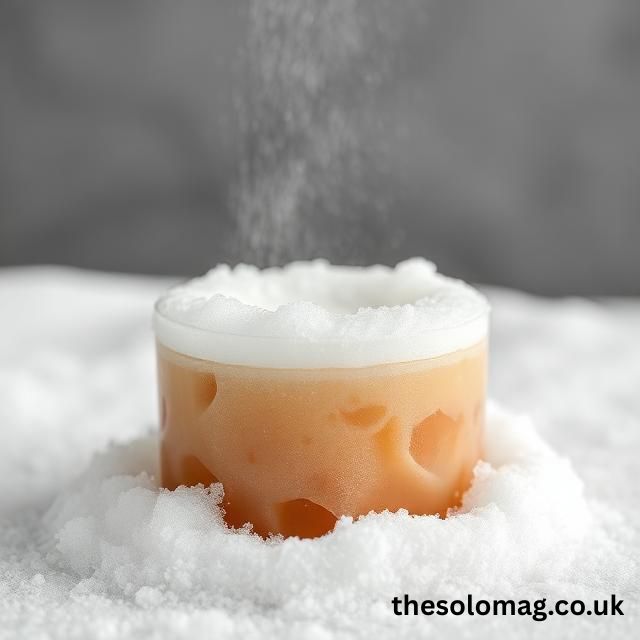
Imagine transforming your morning iced coffee into a café-worthy indulgence with a cloud of creamy, velvety foam floating on top. This isn’t a barista’s secret anymore—it’s cold foam, and it’s taking the coffee world by storm.
It has become a staple for coffee lovers seeking to elevate their cold brew and iced lattes. Its popularity is undeniable; Starbucks reports that it is now used in 1 out of every 7 beverages and has grown by 23% year-over-year. Whether you’re searching for a cold foam recipe to recreate at home, wondering how do you make cold foam, or curious about the new Starbucks protein cold foam, this comprehensive guide has you covered.
We’ll explore everything from the basic how to make cold foam at home to advanced techniques like how to make sweet cream cold foam. By the end, you’ll be equipped with barista-level knowledge to craft the perfect foam every time.
Table of Contents
ToggleWhat Is It?
It is a creamy, frothy topping created by aerating cold milk or non-dairy alternatives until they become light and airy. Unlike the steamed milk foam on a hot latte, cold foam is never heated. This process creates a dense, micro-bubbled structure that floats gracefully on top of cold beverages, providing a rich and velvety layer without melting into the drink.
The magic lies in the science of aeration. When you agitate cold milk, you introduce air, creating tiny bubbles suspended within the milk’s proteins. This results in a texture that’s thicker than plain milk but lighter than whipped cream. The beauty of cold foam is its versatility—it can be sweetened, flavored, or kept plain to suit any palate.
Cold Foam vs. Hot Foam
It’s easy to confuse cold foam with the steamed foam on a cappuccino. However, they are fundamentally different:
-
Temperature: Cold foam is made with cold milk, while hot foam uses steam.
-
Texture: Cold foam is denser and more velvety, designed to sit on top of cold drinks. Hot foam is airier and dissolves more quickly when mixed.
-
Process: Cold foam can be made with a simple handheld frother, while hot foam requires a steam wand.
Why Cold Foam Matters
It isn’t just a trend; it represents a shift in how we experience cold coffee. It adds a textural component that was previously missing from iced beverages. Instead of the coffee and milk quickly blending into a uniform liquid, it creates a layered experience—the first sip is pure, rich foam, followed by the bold coffee beneath.
Its appeal has driven significant innovation in the coffee industry. Starbucks’ introduction of Protein Cold Foam is a prime example. Tapping into the growing consumer demand for protein—with 70% of Americans surveyed showing interest in consuming more protein—Starbucks created a foam that adds approximately 15 grams of protein to any cold beverage. This transforms the topping from a simple treat into a functional part of a balanced diet.
Key Features of It
To understand why cold foam is so special, it helps to break down its key characteristics:
-
Texture: The hallmark of good cold foam is its smooth, velvety, and almost cloud-like texture. It should be thick enough to hold its shape but still pourable, not stiff like whipped cream.
-
Stability: Properly made cold foam floats on top of drinks, slowly integrating with the beverage as you sip. It shouldn’t immediately dissolve or sink.
-
Flavor Carriage: Because of its fat and protein content, cold foam is an excellent carrier for flavors. It can be easily customized with syrups, spices, and sauces.
-
Versatility: It’s not just for coffee. Cold foam can top matcha lattes, chai, iced teas, or even be enjoyed on its own as a creamy treat.
Benefits of Making It at Home
Making cold foam at home isn’t just a fun kitchen project; it offers several practical advantages.
-
Cost Savings: This is a significant benefit. A coffee shop charges around $1.25 extra** for a cold foam topping. Making it at home costs about **$0.40 per serving, saving you a substantial amount over time.
-
Customization: You have complete control. You can adjust the sweetness, choose your favorite milk (dairy or plant-based), and experiment with endless flavor combinations—from salted caramel to pumpkin spice.
-
Quality Control: You choose the ingredients. This allows for healthier options, such as using sugar-free syrups or high-quality organic milk.
-
Convenience: Once you have the base sweet cream recipe mastered, you can make it in under a minute using a simple handheld frother.
Step-by-Step Guide: How to Make Cold Foam at Home
Learning how to make cold foam at home is surprisingly easy. Here are the most popular methods, from classic recipes to advanced techniques.
The Classic 3-2-1 Sweet Cream Base
The foundation of many café-style cold foams, especially the beloved Starbucks version, is a sweet cream base. The perfect ratio is often cited as 3 parts heavy cream, 2 parts milk, and 1 part syrup.
This recipe creates a luxurious, thick foam that mimics the rich flavor of a coffee shop sweet cream cold foam.
-
3 Tbsp (90 ml) Heavy Cream – For richness.
-
2 Tbsp (60 ml) 2% or Whole Milk – To lighten the texture.
-
1 Tbsp (30 ml) Vanilla Syrup – For sweetness and flavor.
Instructions:
-
Combine: Mix all ingredients in a tall glass, mason jar, or French press.
-
Froth: Use your chosen method (see below) to aerate the mixture. Stop when you see soft peaks and the volume has roughly doubled. This should take 20-30 seconds with a handheld frother.
-
Pour: Gently spoon or pour the cold foam over your favorite cold brew or iced coffee.
How Do You Make Cold Foam Without a Frother?
Don’t have a special gadget? No problem. Here are several easy how to make cold foam at home methods using standard kitchen tools.
-
Mason Jar Method: Pour ingredients into a mason jar with a tight-fitting lid. Shake it vigorously for 45-60 seconds until the milk becomes thick and frothy.
-
French Press Method: Add the ingredients to a French press. Pump the plunger up and down rapidly for 30-60 seconds until the foam is thick and fluffy.
-
Whisk Method: For a manual option, add ingredients to a bowl and whisk quickly and vigorously for a few minutes until the mixture foams and doubles in volume. This is a great workout!
-
Blender Method: A countertop or immersion blender can create foam in about 15-20 seconds. Be careful not to over-blend into whipped cream.
How to Make Sweet Cream Cold Foam
The term “sweet cream” often causes confusion. How to make sweet cream cold foam starts with a specific base mixture, which is then frothed.
-
Sweet Cream (The Base): This is simply the un-frothed mixture of heavy cream, milk, and vanilla syrup. You can make a larger batch of this base and store it in the fridge for up to 5 days.
-
Sweet Cream Cold Foam (The Topping): This is the sweet cream base after it has been frothed to a light, foamy texture.
A common recipe for the base is:
-
1 cup heavy cream
-
½ cup 2% milk
-
½ cup vanilla syrup
To make this into foam, simply take 3-4 tablespoons of the base and froth it fresh each morning. This make-ahead strategy is the most efficient way to have café-quality foam in seconds.
The Starbucks Protein Cold Foam
The newest innovation in the cold foam world is Starbucks protein cold foam. This is a creamy, frothy layer infused with whey protein, adding a silky texture and a substantial protein boost to beverages.
-
What’s in it? Starbucks’ Protein Cold Foam is made with a whey protein concentrate and milk powder, blended with flavor syrups.
-
Nutrition: Each serving of foam adds approximately 15g of protein to your drink.
-
Flavors: It comes in a variety of flavors, including Vanilla, Caramel, Chocolate, Matcha, and seasonal favorites like Pumpkin and Pecan, with sugar-free options available.
-
Purpose: It’s designed to add a functional boost to your daily routine, merging the indulgent texture of cold foam with the benefits of protein.
Best Practices for Perfect Cold Foam
To ensure your cold foam is as good as your favorite coffee shop’s, follow these key best practices:
-
Start Cold: This is the golden rule. Always use cold milk and, if possible, a cold container. Chilling your tools for 5-10 minutes before use will help achieve a better foam.
-
Choose the Right Milk: The milk you choose greatly impacts the result. Skim milk is often considered the best for a light, airy foam that holds its shape well, as lower fat content aerates more easily. For a richer, thicker foam, use the sweet cream base with heavy cream. For a dairy-free option, oat, soy, and almond milks are the best alternatives.
-
Flavor First: Always stir your syrup or sauce into the milk before you start frothing to ensure it’s evenly distributed.
-
Don’t Over-Froth: The goal is a soft, pourable foam. Over-frothing can create bubbles that are too large, making the foam unstable and causing it to quickly dissolve into your drink. Aim for 15-30 seconds with an electric frother.
Common Mistakes to Avoid
Even seasoned home baristas can make mistakes. Avoid these common pitfalls for a perfect batch of cold foam every time.
-
Using Warm Ingredients: Warm milk will not create the stable foam required for a cold drink.
-
Using Too Much Milk: Using too much milk makes it harder to aerate properly. Start with 60-120 ml (¼ to ½ cup) for best results.
-
Incorrect Ratios: Using too much milk and not enough cream in a sweet cream recipe will result in a runny foam that won’t hold its shape.
-
Using the Wrong Syrup: Don’t substitute vanilla extract for vanilla syrup in a 1:1 ratio, as extract is much more concentrated and not as sweet. If you only have extract, add sugar to balance it.
Expert Tips from the Pros
Elevate your cold foam game with these insights from beverage experts and professional baristas.
-
Texture is Key: According to experts, the best cold foam should be “pourable but thick enough to float.” It should feel like a liquid mousse.
-
For the Perfect Thickness: If your foam is too liquid, add a splash more heavy cream and froth for a few more seconds.
-
Flavor Customization: “Once you nail this, every other cold foam flavor is just ‘vanilla sweet cream + one ingredient'” says one expert source. This makes it incredibly easy to create pumpkin, salted caramel, or even matcha cold foam at home.
-
Freshness Matters: Cold foam doesn’t store well. It will deflate and revert to a liquid. Always make it fresh right before serving for the best texture.
Real-World Examples and Variations
One of the best things about cold foam is its adaptability. Here are some popular real-world variations you can easily recreate at home.
Cold Foam Flavor Ideas
-
Salted Caramel Cold Foam: Add 1 tablespoon of caramel sauce and a pinch of sea salt to the standard 3-2-1 recipe.
-
Pumpkin Spice Cold Foam: Mix 1 tablespoon of pumpkin puree and a dash of pumpkin pie spice into your sweet cream base before frothing.
-
Chocolate Cold Foam: Add a scoop of cocoa powder to the blender before mixing.
-
Matcha Cold Foam: Whip in a teaspoon of high-quality matcha powder.
Comparison Table: Best Milks for Cold Foam
| Milk Type | Best For | Texture | Pros | Cons |
|---|---|---|---|---|
| Skim Milk | Light & Airy Foam | Very fluffy, stable | Holds shape well, classic for basic foam | Less rich flavor |
| 2% / Whole Milk | Standard “Cold Foam” | Balanced, creamy | Good everyday choice, works well with syrups | Not as thick as cream-based |
| Heavy Cream + 2% | Sweet Cream Foam | Velvety, thick, decadent | Luxurious, café-style texture | Higher in calories |
| Oat Milk | Dairy-Free Sweet Foam | Rich, creamy | Foams well, natural sweetness | Can sometimes be thinner |
| Soy Milk | Dairy-Free Fluffy Foam | High volume, stable | Excellent foaming ability, high protein | Distinct flavor |
Pros and Cons of Different Frothing Tools
| Tool | Pros | Cons | Best For |
|---|---|---|---|
| Handheld Frother | Cheap, fast, easy cleanup | Can be weak, needs to be cleaned immediately | Daily single servings |
| Mason Jar Shake | Free, no equipment needed | Labor intensive, requires a good seal | When you have no other tools |
| French Press | Great texture, multi-purpose | Manual, needs cleaning | Large servings, when you don’t want more gadgets |
| Blender | Fast, makes large batches | Easy to over-blend, more cleanup | Parties or making multiple servings at once |
| Electric Frother | Hands-free, consistent, cold setting available | Expensive, takes up counter space | A luxury option for convenience |
FAQs: Your Cold Foam Questions Answered
1. What is it?
It is a creamy, frothy topping made by aerating cold milk or non-dairy alternatives until they become light and airy. It is typically used to top cold coffee drinks.
2. How do you make it at home?
To make a basic cold foam, combine 3 Tbsp heavy cream, 2 Tbsp 2% milk, and 1 Tbsp vanilla syrup in a tall glass. Froth with a handheld milk frother for 20-30 seconds until thick and fluffy.
3. How to make sweet cream cold foam?
Mix heavy cream, milk, and vanilla syrup (a standard ratio is 3:2:1). This is your sweet cream base. Froth this mixture until it’s light and foamy to create the cold foam topping.
4. What is Starbucks protein cold foam?
Starbucks Protein Cold Foam is a creamy, frothed topping made with a whey protein concentrate, adding approximately 15g of protein to any cold beverage. It comes in flavors like vanilla and caramel.
5. What’s the difference between cold foam and whipped cream?
Cold foam is made by frothing milk and cream, which creates a pourable, creamy topping that slowly mixes into your drink. Whipped cream is made from just heavy cream whipped to a stiff, solid peak and is meant to sit on top without integrating.
6. Can I use plant-based milk for it?
Yes, oat, soy, and almond milk are the best plant-based alternatives for making cold foam. In some cases, they may even generate more volume than cow’s milk.
Future Trends in It
The evolution of cold foam shows no signs of slowing down. The introduction of Starbucks Protein Cold Foam is a major trendsetter, indicating a move toward functional beverages that offer both indulgence and nutritional benefits. As more consumers seek protein in their diets, we can expect to see more brands developing protein-infused foams and creamers.
Additionally, the flavor innovation will continue to expand. We’re already seeing seasonal and limited-edition flavors, such as banana, pecan, and lavender, pointing toward a future where cold foam is a year-round canvas for creativity. The trend towards sugar-free and unsweetened options is also providing healthier alternatives for the health-conscious consumer.
Conclusion
It has revolutionized the cold coffee experience, turning a simple iced latte into a layered, textural masterpiece. Whether you want to save money by learning how to make it at home, indulge in a decadent sweet cream cold foam, or upgrade your routine with the new Starbucks protein cold foam, the possibilities are endless.
With the simple 3-2-1 ratio and your choice of frothing tool—from a handheld frother to a mason jar—you are now equipped to create barista-quality cold foam in your own kitchen. So, the next time you crave an iced coffee, skip the café and craft a perfect, creamy topping right at home.
Key Takeaways
-
What is it? It’s a velvety, frothed cold milk topping that floats on cold drinks, providing a creamy texture without heat.
-
The Base Recipe: The classic “sweet cream” base is a 3:2:1 ratio of heavy cream, milk, and syrup.
-
How to Make: Froth the base with a handheld frother, French press, mason jar, or blender.
-
The Protein Trend: Starbucks’ new Protein Cold Foam adds 15g of protein per serving, meeting consumer demand for functional foods.
-
Best Practices: Always start with cold milk and cold tools to achieve a stable foam. Avoid over-frothing to maintain a silky texture.
-
Customization: Easily change the flavor by swapping syrups (e.g., caramel, pumpkin, chocolate) or adding spices and extracts.
FOR FURTHER INFORMATION, VISIT: THESOLOMAG.CO.UK