 By Admin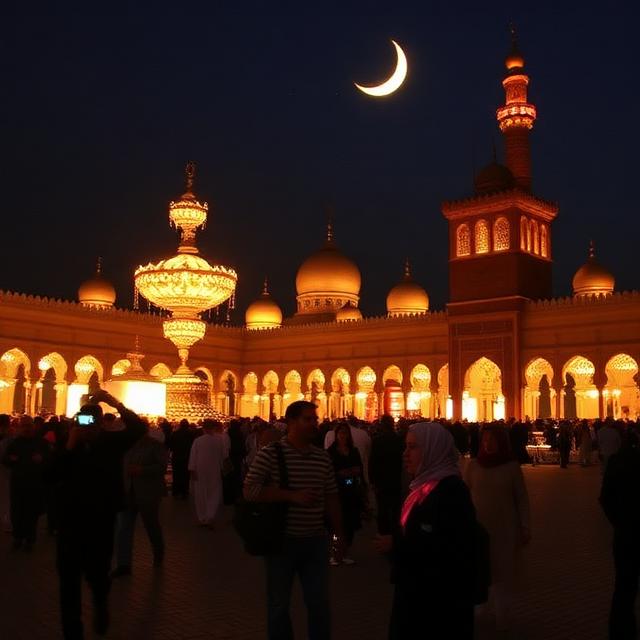
Ramadan is the holiest month in the Islamic calendar. During this period, millions of Muslims worldwide practice fasting from dawn until sunset as a way to strengthen their faith, cultivate discipline, and draw closer to God (Allah).
But Ramadan goes far beyond abstaining from food and drink. It is a time dedicated to prayer, reflection, solidarity, and spiritual growth.
In this guide, you will discover what Ramadan is, why it is important, how it is celebrated, and what its main rules and traditions are.
Table of Contents
ToggleTable of Contents
| Content | Description |
|---|---|
| What is Ramadan? | Definition and meaning |
| History of Ramadan | Its origin in Islam |
| Why do Muslims fast? | Spiritual objectives |
| Who must fast? | Obligations and exceptions |
| What is allowed and forbidden? | Fasting rules |
| What does a day of Ramadan look like? | Schedule and practices |
| Benefits of Ramadan | Spiritual and social |
| End of Ramadan | Eid al-Fitr |
| Frequently Asked Questions | Common doubts |
What is Ramadan?
Ramadan is the ninth month of the Islamic lunar calendar and one of the Five Pillars of Islam.
During this month, Muslims practice Sawm (fasting) from dawn until dusk. The main objective is not solely to abstain from eating and drinking, but to strengthen the relationship with God through prayer, patience, and good deeds.
Each year, the date of Ramadan changes because the Islamic calendar is approximately 10 to 11 days shorter than the Gregorian calendar.
Meaning of Ramadan
The word Ramadan comes from the Arabic Ramadan (رمضان).
Its meaning is related to intense heat or burning, symbolizing spiritual purification and the forgiveness of sins.
For Muslims, it represents a month of:
-
Spiritual purification
-
Self-control
-
Patience
-
Generosity
-
Solidarity
-
Reflection
-
Forgiveness
History of Ramadan
According to Islamic tradition, during Ramadan the Prophet Muhammad received the first revelations of the Quran through the angel Gabriel.
This event marked the beginning of the revelation of Islam’s holy book.
For this reason, Ramadan holds immense spiritual value for believers.
Why do Muslims fast?
Fasting has several spiritual objectives.
Drawing closer to God
The primary purpose is to increase faith through prayer and worship.
Learning discipline
Controlling desires helps strengthen character.
Developing empathy
Experiencing hunger allows one to better understand the situation of those in need.
Practicing generosity
During this month, charity and aid to those who need it most increase.
Who must fast?
Fasting is obligatory for adult Muslims who are physically and mentally capable.
However, there are exceptions.
Exemptions:
-
Children
-
Elderly people
-
The sick
-
Pregnant women
-
Breastfeeding women
-
Women during menstruation
-
Travelers
In some cases, missed days can be made up later or compensated according to Islamic rules.
What is allowed and what is forbidden?
During fasting hours, the following are not permitted:
-
Eating
-
Drinking
-
Smoking
-
Engaging in sexual relations
After sunset, these activities are allowed again.
Additionally, Ramadan emphasizes avoiding:
-
Lying
-
Insulting
-
Gossiping
-
Arguing
-
Bad behavior
The goal is to practice ethical and respectful behavior throughout the month.
What is a day like during Ramadan?
Suhur
This is the meal eaten before dawn.
It typically includes:
-
Water
-
Fruits
-
Bread
-
Eggs
-
Yogurt
-
Oats
Fasting during the day
From dawn until sunset, no food or drink is consumed.
During the day, Muslims work, study, and carry out their normal activities.
Iftar
At sunset, the fast ends.
Traditionally, it is broken with:
-
Dates
-
Water
Afterwards, a family meal is shared.
Night prayer
After Iftar, many Muslims go to the mosque to perform special prayers called Tarawih.
The Night of Destiny (Laylat al-Qadr)
One of the most important nights of Ramadan is Laylat al-Qadr, known as the Night of Decree or Destiny.
According to Islamic tradition:
-
The Quran began to be revealed that night.
-
Prayers have exceptional spiritual value.
-
Many believers dedicate a large part of the night to prayer and reading the Quran.
Benefits of Ramadan
Spiritual Benefits
-
Greater connection with God
-
Personal reflection
-
Purification of the soul
-
Strengthening of faith
Social Benefits
-
Increased solidarity
-
More acts of charity
-
Family unity
-
Strengthening of community
How does Ramadan end?
Ramadan concludes with the celebration of Eid al-Fitr, one of the most important festivities in Islam.
During this celebration, the following take place:
-
Special prayers
-
Family gatherings
-
Gift exchanges
-
Festive meals
-
Donations to those in need
It is a day of joy and gratitude after completing the month of fasting.
Frequently Asked Questions
1. How long does Ramadan last?
It generally lasts between 29 and 30 days, depending on the observation of the moon.
2. Can you drink water during fasting?
No. During fasting hours, neither food nor drink is consumed.
3. Do all Muslims fast?
No. There are exceptions for health reasons, age, pregnancy, travel, and other circumstances considered by Islamic tradition.
4. Why does the date change each year?
Because the Islamic calendar is lunar and has fewer days than the Gregorian calendar.
5. What happens if someone breaks the fast?
It depends on the cause. The rules vary depending on the situation and Islamic legal interpretation. In many cases, the day must be made up later.
Conclusion
Ramadan is much more than a period of fasting. It is a month dedicated to spiritual growth, discipline, generosity, and reflection. For millions of Muslims, it represents an opportunity to strengthen their relationship with God, help others, and improve their daily behavior.
Understanding what Ramadan is also allows us to appreciate one of the world’s most important religious traditions and foster respect for cultural and religious diversity.
SEO Keywords
-
what is Ramadan
-
meaning of Ramadan
-
Ramadan explained
-
what do Muslims do during Ramadan
-
fasting in Islam
-
month of Ramadan
-
Ramadan 2026
-
Eid al-Fitr
-
Ramadan traditions
-
history of Ramadan
Sources
-
Encyclopaedia Britannica – Ramadan
https://www.britannica.com/topic/Ramadan -
BBC Religion – Ramadan
https://www.bbc.co.uk/religion/religions/islam/practices/ramadan.shtml -
Islamic Relief Worldwide – Ramadan Guide
https://islamic-relief.org -
United Nations – International Day of Reflection and Commemoration of Ramadan (related resources)
https://www.un.org -
Encyclopaedia of the Qur’an (Brill)
https://referenceworks.brill.com/display/db/eqo
SEO Title
What is Ramadan? Complete Guide to its Meaning, History, Rules and Traditions (2026)
Meta Description (150 characters)
Discover what Ramadan is, its meaning, history, rules, fasting, prayers and celebrations. Complete and updated guide.
Frequently Asked Questions
1. What is Ramadan?
Ramadan is the ninth month of the Islamic calendar and one of the Five Pillars of Islam. During this month, Muslims fast from dawn until sunset as an act of faith, reflection, and worship of God.
2. Why is Ramadan important for Muslims?
Ramadan is important because it commemorates the beginning of the revelation of the Quran to the Prophet Muhammad. It is a time dedicated to prayer, fasting, charity, and spiritual growth.
3. When does Ramadan begin?
Ramadan begins with the sighting of the crescent moon that marks the start of the ninth month of the Islamic calendar. Because this calendar is lunar, the dates change each year in the Gregorian calendar.
4. How long does Ramadan last?
Ramadan usually lasts between 29 and 30 days, depending on the lunar calendar and the observation of the new moon.
5. What does fasting during Ramadan mean?
Fasting during Ramadan means abstaining from eating, drinking, smoking, and engaging in sexual relations from dawn until sunset. Additionally, self-control, patience, and good behavior are promoted.
6. Who must fast during Ramadan?
Fasting is obligatory for adult, healthy Muslims. Exempt are children, the elderly, the sick, pregnant or breastfeeding women, women during menstruation, and travelers.
7. Can you drink water during Ramadan?
No. During fasting hours, you cannot drink water or consume food. After sunset and before dawn, eating and drinking are permitted.
8. How does Ramadan end?
Ramadan ends with the celebration of Eid al-Fitr, a festival that brings together family and friends to share meals, perform special prayers, and carry out acts of charity.
9. What benefits does Ramadan have?
Ramadan helps strengthen faith, foster discipline, develop empathy for those with fewer resources, promote generosity, and reinforce family and community bonds.
10. What does the word Ramadan mean?
The word Ramadan comes from the Arabic Ramadan (رمضان) and is associated with intense heat or spiritual purification. In Islam, it symbolizes a period of renewal of faith, repentance, and drawing closer to God.
FOR FURTHER INFORMATION, VISIT: THESOLOMAG.CO.UK